Why Event Professional Burnout Is a Performance Issue Not Just a Personal One
Event professional burnout does not begin with exhaustion. Instead, it begins with constant activation. Long timelines, high expectations, and real-time problem solving keep you in a near continuous state of alertness. Over time, that state becomes your baseline.
According to research highlighted in this Fast Company article on breathing and neuroscience, the body requires intentional pauses to reset. Without those pauses, stress compounds. As a result, focus narrows, and decision-making becomes reactive rather than strategic.
For event professionals, this distinction matters. You are not only managing logistics. You are shaping environments, guiding teams, and influencing how every attendee experiences the event. Therefore, your ability to regulate stress directly impacts outcomes.
Managing burnout, therefore, is not simply about well-being. It is about performance.
The Subtle Signals of Stress
Stress often appears in small, easy-to-miss ways. For example, moving quickly between spaces without engaging. Scanning a room without making eye contact. Responding immediately rather than thoughtfully.
While these reactions are understandable, they shape how the event feels. Attendees take cues from leadership. If the energy feels tense, the room follows.
The Impact of Composed Presence
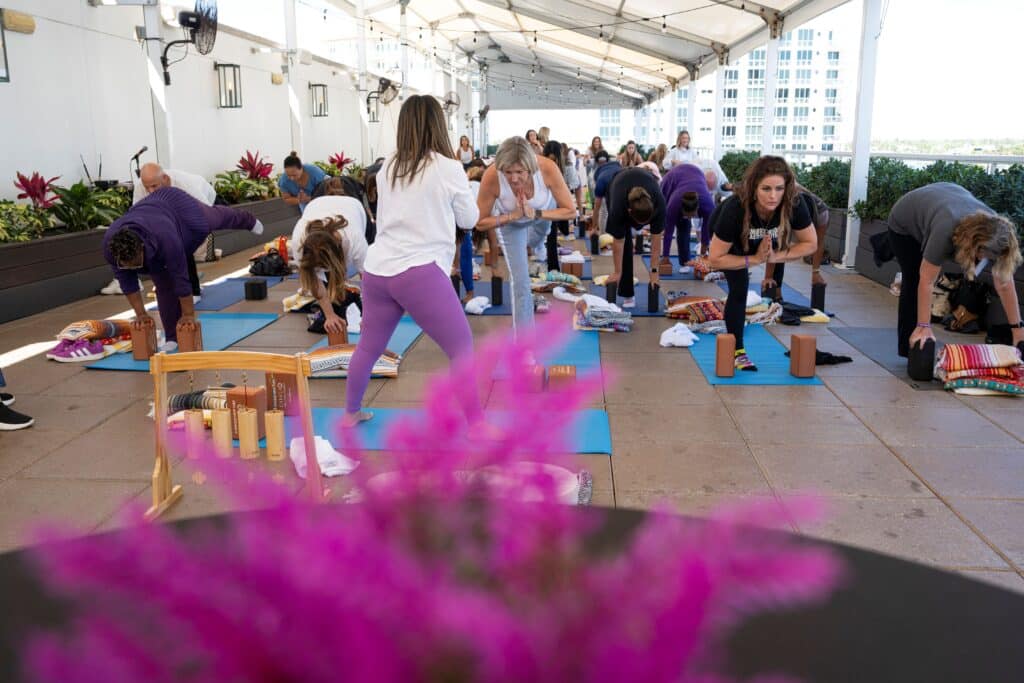
In contrast, a composed presence creates stability. When you pause, breathe, and engage with intention, the environment shifts. Conversations feel more grounded. Transitions feel smoother. Even challenges feel manageable.
Importantly, these moments are not dramatic. They are subtle. However, they define the tone of the entire experience.
The Science of Breathing and Why It Works in Live Environments
Breathing may seem simple. However, neuroscience explains why it is so effective.
Intentional breathing signals your nervous system to move out of a stress response. As a result, your heart rate slows, your focus sharpens, and your thinking becomes clearer.
For event professionals, this does not require stepping away for extended periods. Instead, it involves small, deliberate resets throughout the day.
Practical Ways to Reset in Real Time
Because events move quickly, these resets must be practical. Consider integrating the following:
- Before entering a session, take one slow inhale and exhale
- During transitions, pause briefly before moving to the next task
- Before responding to a challenge, take a breath to create space
These actions take seconds. However, they shift how you show up. Over time, they improve clarity, communication, and confidence.
Reducing Cognitive Load Through Smarter Event Design
While breathing supports the individual, thoughtful event design reduces overall stress. When systems work well, you do not have to carry everything mentally.
Eliminate Unnecessary Decision Fatigue
Every additional decision during an event requires energy. Therefore, reducing unnecessary choices preserves focus for what matters most.
For example, clear run-of-show documents, aligned vendor expectations, and defined responsibilities reduce last-minute questions. As a result, you can stay focused on execution rather than constant problem solving.
Trust Specialists to Handle Their Scope
You do not need to oversee every detail personally. In fact, attempting to do so often increases stress and reduces effectiveness.
Instead, working with experienced partners allows you to stay present. When each team understands its role, execution becomes smoother. Consequently, you gain mental space to lead rather than react.
Prioritize Presence Over Perfection
Perfection is rarely the goal in live events. Presence is.
When you focus on being present, you respond more effectively, communicate more clearly, and lead with confidence. As a result, the event feels more controlled, even when unexpected moments arise.
Designing Events That Support the People Behind Them
Event success often focuses on attendee experience, sponsor value, and measurable outcomes. However, the experience of the team behind the event matters just as much.
When you operate in a constant state of stress, it impacts creativity, communication, and decision-making. Conversely, when you feel supported and regulated, your ability to lead improves significantly.
Build Space Into the Schedule
Even brief moments of space can make a difference. For example, allowing a few minutes between major transitions creates an opportunity to reset.
While these moments may seem minor, they prevent stress from compounding throughout the day.
Create Environments That Encourage Focus
Clear communication, organized workflows, and reliable support systems reduce unnecessary noise. As a result, you can focus on what truly matters.
Recognize That Leadership Sets the Tone
Your presence influences the entire event. When you remain calm and focused, your team follows. Likewise, attendees feel it.
This does not require perfection. Instead, it requires awareness and intention.
A More Sustainable Way to Lead Events
Event professional burnout is not inevitable. However, without intentional changes, it becomes likely.
Small shifts create meaningful impact. Breathing introduces moments of clarity. Structured support reduces pressure. Thoughtful planning allows you to lead with intention rather than urgency.
Over time, these changes transform how events feel, both for you and for those attending.
Ultimately, the goal is not just to execute a successful event. It is to do so in a way that is sustainable, repeatable, and aligned with how you want to lead.
If you are planning upcoming events, consider how you can build these practices into your process.
Explore additional resources, refine your workflows, and continue developing strategies that support both performance and well-being.